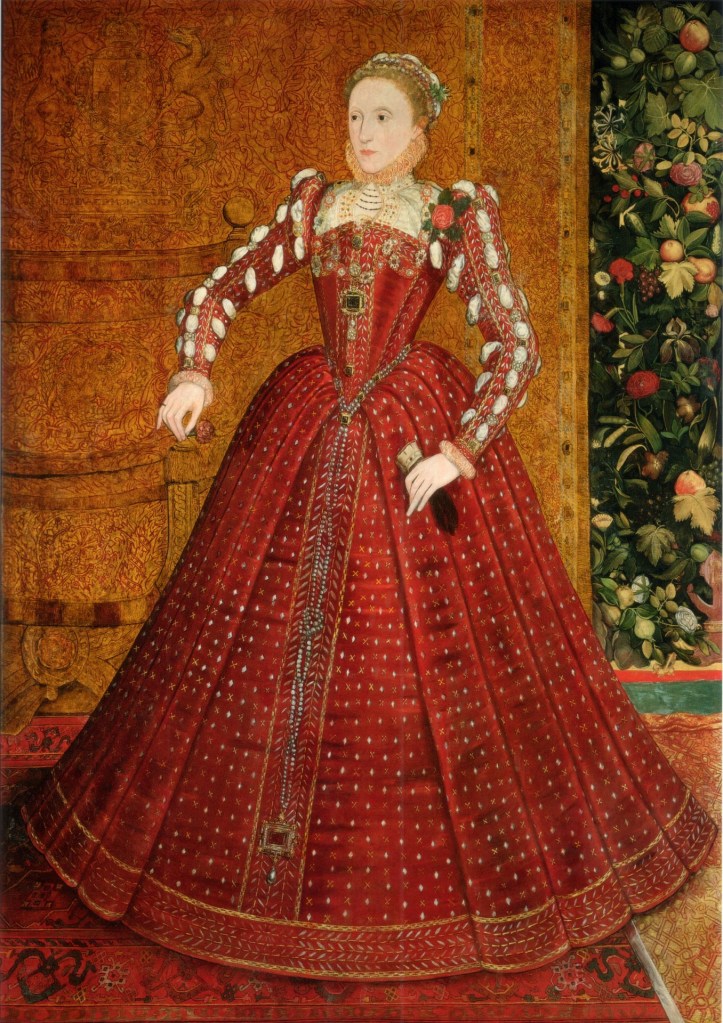
Queen Elizabeth I held her reign during the Renaissance Era; full of music, dancing, creativity, and art. With art, the English court had a mulititude of creative painters, one who’s name was Levina Teerlinc.
Levina Teerlinc was known as a “miniaturist” painter for the Royal family including Henry VIII, Edward VI, Mary I, and Elizabeth I (basically the Tudor Family).. She practiced a form of creating smaller paintings; a style made for lockets, pendants, and necklaces. According to My Daily Does of Art, “Teerlinc is credited with inventing the oval shape for the miniature portrait. Prior to the oval shape, these tiny portraits came only in rectangular shapes.”

Levina was not the only painter allowed at court. A man named Nicholas Hillard practiced the miniaturist painting style as well. “His earliest known attempts at miniature painting were made in 1560, and his talent is obvious in Self Portrait Aged 13 and Edward Seymour, Duke of Somerset. Hilliard became miniature painter to Queen Elizabeth I about 1570 and made many portraits of her and of the leading members of her court.” – Britannica
There are plenty other artists that painted for the Elizabeth I including George Gower, Robert Peake The Elder, Quentin Metsys, Steven Van der Muelen, and William Segar. Teerlinc was also allowed as privy council under Elizabeth I, gained a starting salary of 40 pounds ($ 55 in USD), and her paintings were considered ““a Carde with the Queen’s Matie [Majesty] and many other personages” – Being Bess. Although she did not sign her paintings, she is signified as one of the best painters for the Tudor family, and some of her work is sometimes hard to recognize in this present day from the other painters.
References;
