
From the her Majesty The Queen to a Lady, titles have been with the British, Irish, and Scottish nobles for centuries; but what are the titles for and who deserves them? Also, why do titles appear to come off as confusing and/or misunderstood? I’m here to provide you with a full break down of titles with their roles and duties (whichever one you are interested in, you can scroll down until you find it) :)
King & Queen
I thought it would be best to start from the highest (and most familiar) Title and that is the King and Queen. There is only one type of King, but two types of Queens:

The role of the King or Sovreign is considered as the leader and ruler of the people or country. There was a time when the Monarchy had power over politics of the country, but after the Magna Carta of 1215, the sovreign must have legal descisions approved by council or what we call today, a parliment. The King is a symbolism of the head of state. The Head of Government however, is the Prime Minister.
Queen Regnant
Queen Consort

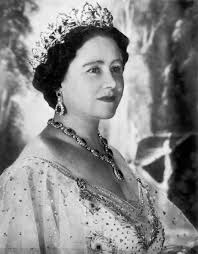
As noted earlier, there are 2 different types of Queens (well, actually 4, but I’ll get to that part in a moment, and why I said 2). To your left, you see Victoria as Queen Regnant, meaning she is the queen in her right as deserving by blood line. Women were never absent from the role of taking the throne, but since religion and family played a big factor during these times, it was intended and hoped for men to take the throne. To your right, to see Queen Elizabeth The Queen Mother (Queen Elizabeth II’s mother) as Queen Consort, meaning she was married to a King. If the King dies before the Queen Consort, then she is considered as Queen Dowager. In this particular instance, Elizabeth has witnessed her husband die, and her daughter Elizabeth II to become queen, which also gives her the name as Queen Mother (see how that works?)
Duke & Duchess
Now you might think that I would have put Prince & Princess next here, but….let me explain. The Duke is the highest in ranking next to the King or Queen, whichever is on the throne. This title can be earned by the King or Queen. There is another Title named Grand Duke or Arch Duke before the title Duke, but here we’re only referring to Duke. A Duchess is a woman who is married to a Duke for her to earn her title. Remember, since the roles in the Medival stages (when Dukedom started, 1337) honored the man, A Duke cannot earn a title by marrying a woman that was already a Duchess. Dukedom does not have to be an inhereted title.
Prince & Princess

A Prince is an inhereted title from whomever is on the throne by blood. Usually, it is the next in line to the throne if they are the first born; but it wasn’t until the Perth Agreement in 2015, allowed the next sibling (whether male or female) to become next in line of succession (if the first born does not have chidren). Here, you can see Prince Albert was already a Prince, but once he married Queen Victoria, he became Prince Consort. You may ask yourself “Well why wasn’t he a King Consort if he married a Queen?” Victoria wanted her husband to become King Consort, but her council would not allow him because of where he was from (Germany). There are some perks however; if a Prince marries a queen, he has a higher ranking than his children (Hence Prince Philip, Duke of Edinburgh). But if he is not around his wife, then his children rank higher than he does. The Duke and the Prince rankings somewhat intertwine with each other, depending on who their around. A Princess is also an inhereted title from either the King or Queen of royal blood. Her ranking also applies the same as a duchess. A princess can marry, but her husband will not become a prince. Another ranking for a princess is a Princess Royal, which is the first born girl of the royal family.

Marquess & Marchioness
These two titles may have not really been talked about, but that is why you’re reading this now! The Ranking of the Marquess (Mark-Key) is lower than a Duke, and their role was to protect the Monarchy of any potential enemies throughout the United Kingdom. A Marchioness (Mar-Shuness) is a woman or a widow of a Marquess earning her right to this particular title. She too is a ranking below a duchess.
Earl & Countess
An Earl held the title with more control over land and finances. They are the ones who keep track of any debts and taxes that needs to be collected if they had land being used for tenants. This title can be earned by King or Queen, and by inheretence. A Countess or Lady is a title by marriage to an Earl. She would have to earn this title by marriage (I hope you are noticing the pattern on how the women earn their titles!) Also, if the father is a Duke, the titles descends from there (Duke, Marquess, Earl, Viscount, Baron, etc.), until the father passes, then the older son becomes a duke.
Viscount & Viscountess
For A Viscount, you would consider their role as a Lietenant or deputies in in control of delegations. This title is normally earned by inheritence his father is a Duke or even a King. A Viscountess of course is married or is a widow to a Viscount. She has earned her right as such, and is Also called a Lady.
Baron & Baroness
This may be one of rankings towards the bottom, but still has significant roles. A Baron is what you would call “loyalty for land”. This means that he pledges loyalty to the throne and in return is given land that he can pass down to his children. A Baroness Title is earned once married, but is very responsible within her Barony. In Government today, there are Baroness’ joined together with the Barons under The House Of Lords.
Knight & Dame
A Knight is there to protect the lands of the monarchy as a warrior and able to withstand long days at war. A Dame is the wife of the Knight, or a member of knighthood.
Esquire
An Esquire is responsible for the land of the Knight, but not yet a Knight himself. Today it is more used at the end, or no significance at all. Others use it if they’re practicing Law. However, if you want to know the best social status? Esquires.
Lord & Lady
This is the lowest ranking throughout nobility, but just as familiar as the King & Queen (interesting right?) In the Medieval days, a Lord or Gentlemen obtains the role of all the land that surrounds him. Owned a high responsibility. Today this role is established under Government through Parliament. A Lady is a woman that not only is married to a Lord, but considered as a personal assistant to Royalty. She is also called a Lady-In-Waiting (Queen of Scots had four of them!).
